

Music surrounds us every day, whether we’re streaming our favorite playlists, watching a live performance, or even just hearing background music in a café. But have you ever thought about how the way we experience music—live or recorded—actually shapes our perception of it? Recent research suggests that there’s a significant difference between hearing music in a live setting, especially with acoustic instruments, and consuming it through recordings. Let’s dive into what this means for our musical experience.
Live Music: A Sensory and Emotional Experience
There’s something magical about a live performance. Whether it’s an intimate jazz trio in a small venue or a grand symphony orchestra in a concert hall, live music has a way of drawing us in. Scientists have found that live performances create stronger emotional and physiological responses than recordings. A study by Shoda, Adachi, and Umeda (2014) measured heart rate and skin conductance levels in listeners and found that people reacted much more intensely to live performances compared to recorded ones. The interaction between musicians and the audience creates a real-time energy that recordings simply can’t replicate.
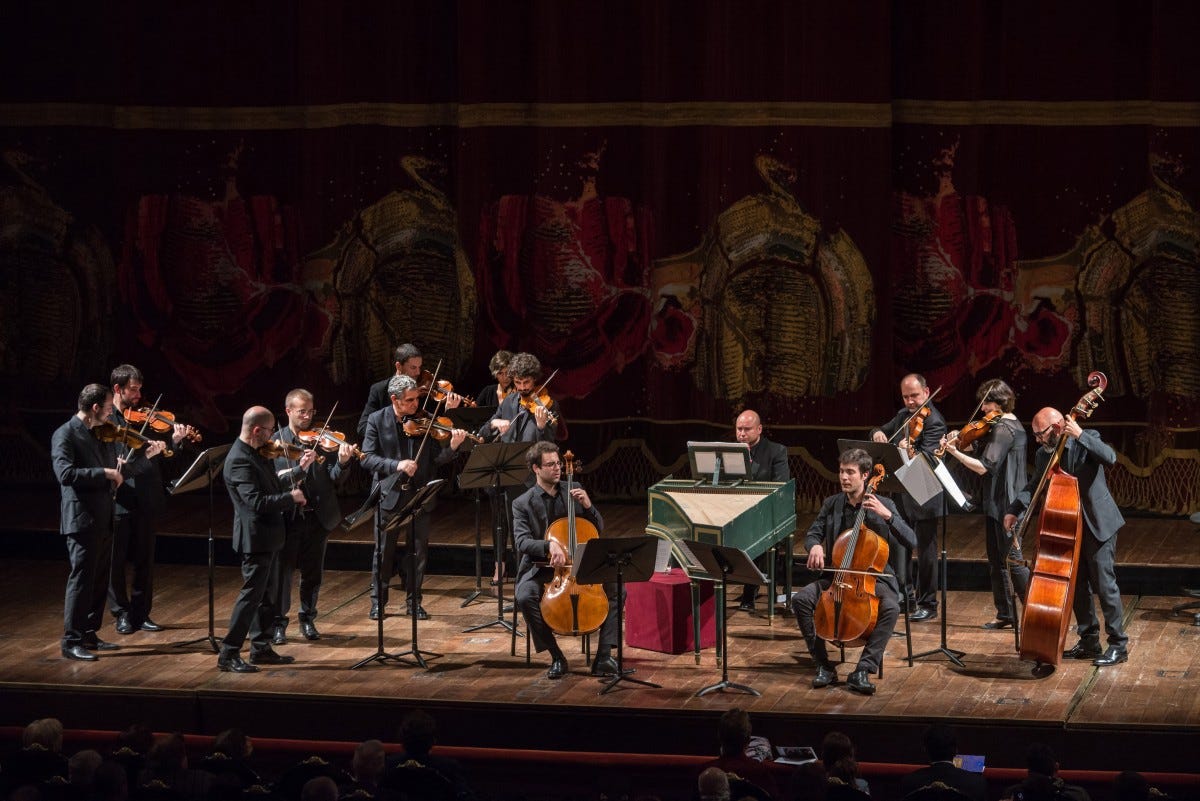
Beyond emotion, live music also immerses us in the natural acoustics of a space. When musicians perform acoustically, the sound interacts with the environment—reverberating off walls, filling the room with warmth, and creating an organic, three-dimensional experience. Ullen et al. (2021) discovered that the reverberation time of a performance space significantly influences how we perceive musical emotion. The longer the reverberation, the more we perceive the music as warm, deep, and enveloping—qualities that are often flattened or artificially manipulated in recordings.
Recorded Music: The Convenience That Changes How We Listen
Of course, most of us consume music through recordings. It’s convenient, accessible, and allows us to enjoy music anytime, anywhere. But does this change how we engage with it? Research suggests that it does. Schutz and Vaisberg (2014) found that listeners tend to judge musical expressivity differently depending on whether they hear a live or recorded performance. Live performances often feel more dynamic, with slight tempo variations and expressive nuances that aren’t always captured in studio recordings. On the other hand, recordings, especially modern digital ones, are often polished to perfection—every note in tune, every rhythm perfectly aligned, every imperfection smoothed out.
This technological perfection has led to a shift in listener expectations. As Nicholas Prior (2018) discusses in Popular Music, Digital Technology, and Society, digital processing techniques like auto-tuning and dynamic compression have conditioned us to expect a certain “flawlessness” in music. While this can be aesthetically pleasing, it can also make live performances—where mistakes and human variability naturally occur—feel less “perfect” by comparison. The spontaneity and raw emotion of live music are sometimes lost in a culture that values precision over authenticity.
The Importance of Experiencing Both
So, does this mean one format is better than the other? Not at all. Instead, understanding how both live and recorded music shape our listening experience can help us become more conscious and engaged listeners. Recorded music allows us to access a vast range of artists, styles, and historical recordings that we wouldn’t otherwise experience. It also preserves performances for generations to come. But if we only listen to music through recordings, we may miss out on the full depth of sound, space, and human connection that live music offers.
Attending live performances, especially those featuring acoustic instruments, helps us reconnect with music in a deeper way. It trains our ears to appreciate subtle details, dynamic range, and the interaction between musicians and their surroundings. It also reminds us that music is, at its core, a shared, human experience—not just something played through our headphones.
Final Thoughts
If you primarily listen to recorded music, consider making an effort to experience more live performances. Whether it’s a classical concert, a folk music session, or a small jazz gig, hearing music in its natural, unfiltered form can deepen your appreciation and change the way you listen. And if you’re someone who loves live music but rarely listens to recordings, remember that recordings provide a valuable way to study, revisit, and discover artists across time and space.
In the end, balancing both live and recorded experiences can enrich our relationship with music. So next time you hit play on your favorite song, think about how different it might sound in a live setting—and, if you get the chance, go experience it for yourself.
References
Chanan, M. (1995). Repeated Takes: A Short History of Recording and Its Effects on Music. Verso.
Prior, N. (2018). Popular Music, Digital Technology, and Society. SAGE Publications.
Schutz, M., & Vaisberg, J. (2014). Music expressivity and perception across live and recorded performances. Psychology of Music, 42(3), 317–333.
Shoda, H., Adachi, M., & Umeda, T. (2014). Emotional responses to live versus recorded music: Evidence from psychophysiological measurements. Music Perception, 31(3), 215–223.
Ullen, F., Madison, G., & Sörqvist, P. (2021). Reverberation time and musical emotion in recorded and live settings. Journal of the Acoustical Society of America, 150(4), 2256-2270.