

Source
Mo, R., Wu, B., & Horner, A. (2015). The effects of reverberation on the emotional characteristics of musical instruments. Journal of the Audio Engineering Society, 63(12), 966–979. https://doi.org/10.17743/jaes.2015.0082
Findings
The paper investigates how reverberation influences the emotional characteristics of musical instruments. Key findings include:
Reverberation Enhances Emotional Perception: Increased reverberation generally amplifies emotional qualities such as warmth, depth, and intensity in musical sounds.
Instrument-Specific Effects: Different instruments react uniquely to reverberation. For instance, string instruments may gain a sense of richness, while percussive sounds might become more diffused.
Impact on Listener Perception: Reverberation can significantly alter how listeners interpret emotions in music, making certain tones sound more expressive or immersive.
Optimal Reverberation Levels: Excessive reverberation can cause muddiness and reduce clarity, while moderate levels enhance expressiveness without loss of detail.
Recommendations
Adjust Reverberation Based on Instrument Type: Musicians and sound engineers should fine-tune reverberation settings based on the instrument’s natural timbre and emotional intent.
Balance Between Clarity and Expressiveness: Avoid excessive reverberation that might blur notes, especially in fast-paced or highly rhythmic music.
Consider Listener Context: Different spaces (concert halls, recordings, live performances) require varying levels of reverberation for optimal emotional impact.
Use Reverberation as an Expressive Tool: Instead of applying uniform reverberation, tailor its use to enhance the emotional storytelling of a piece.
Parametric reverberation
Parametric reverberation refers to a method of controlling and designing reverberation effects using adjustable parameters, rather than relying on natural room acoustics or pre-set reverb effects. This allows sound engineers and researchers to systematically modify aspects of reverberation to study its impact on perception and musical expression.
Key parameters that can be adjusted in parametric reverberation include:
Reverberation time (RT60): How long it takes for sound to decay by 60 dB.
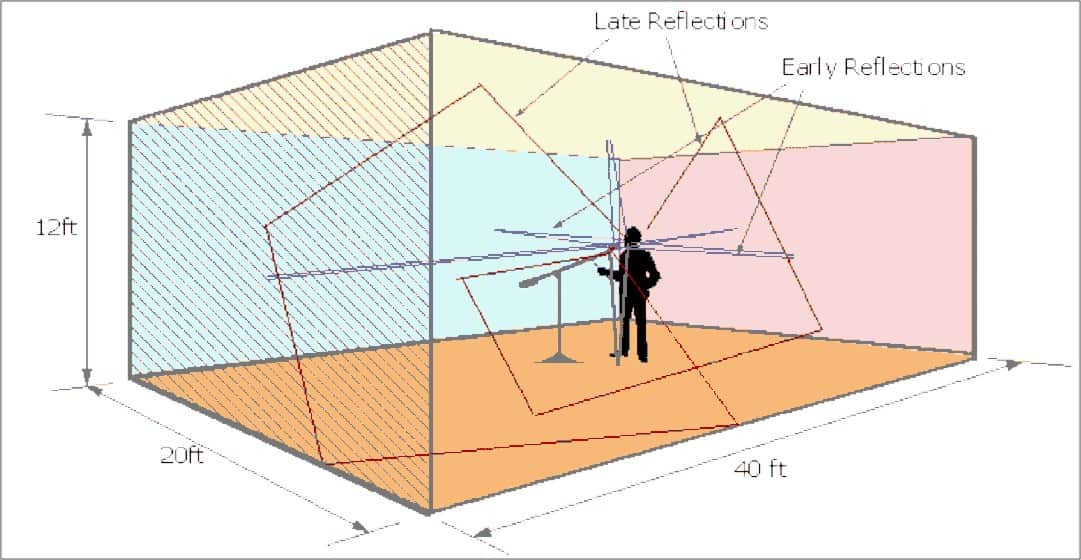
Early reflections: The initial echoes that shape the perception of space.
Density and diffusion: How sound waves interact and spread in a virtual space.
Pre-delay: The time before the reverberation starts after the original sound.
In this study, parametric reverberation was used to systematically alter the reverberation characteristics of musical instruments and observe their impact on perceived emotional qualities.