

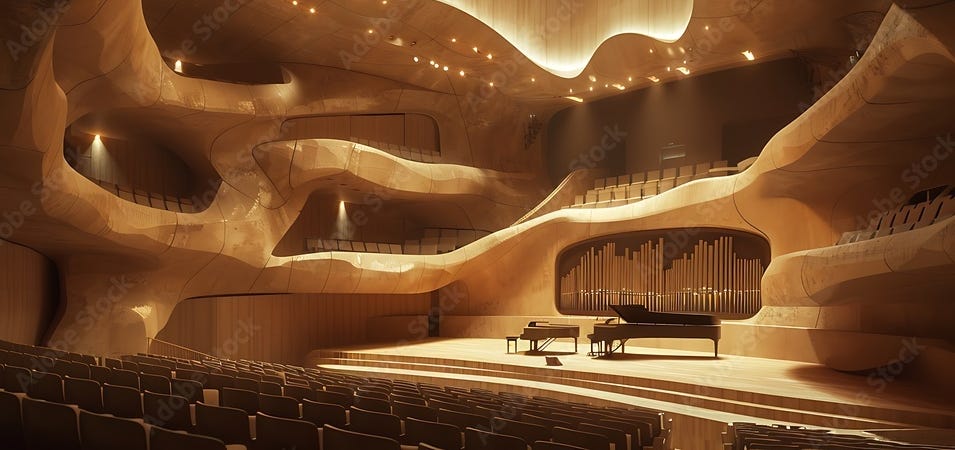
Acoustic Experience
Acoustic experience goes beyond just auditory perception.
While auditory perception typically refers to the direct perception of sound—how we hear and interpret it in the brain —acoustic experience can encompass a broader sensory and spatial engagement with sound as it interacts with an environment including:
Spatial Awareness: acoustic experience can include how sound interacts with physical spaces, like how echo or reverb occurs in a particular room. This interaction shapes the perception of sound but isn’t solely limited to hearing.
Vibrations and Tactile Feedback: Sound can produce vibrations that are felt physically, such as bass in music or the rumble of thunder. This tactile aspect is part of the acoustic experience but isn’t directly auditory.
Environmental Interaction: Acoustic experiences can involve how sound waves move through different materials, objects, and spaces, shaping the overall sensory encounter with sound, whether or not it is consciously heard.
So, while auditory perception is a central component of acoustic experience, the latter encompasses the full sensory interaction with sound and its environment, making it broader in scope.
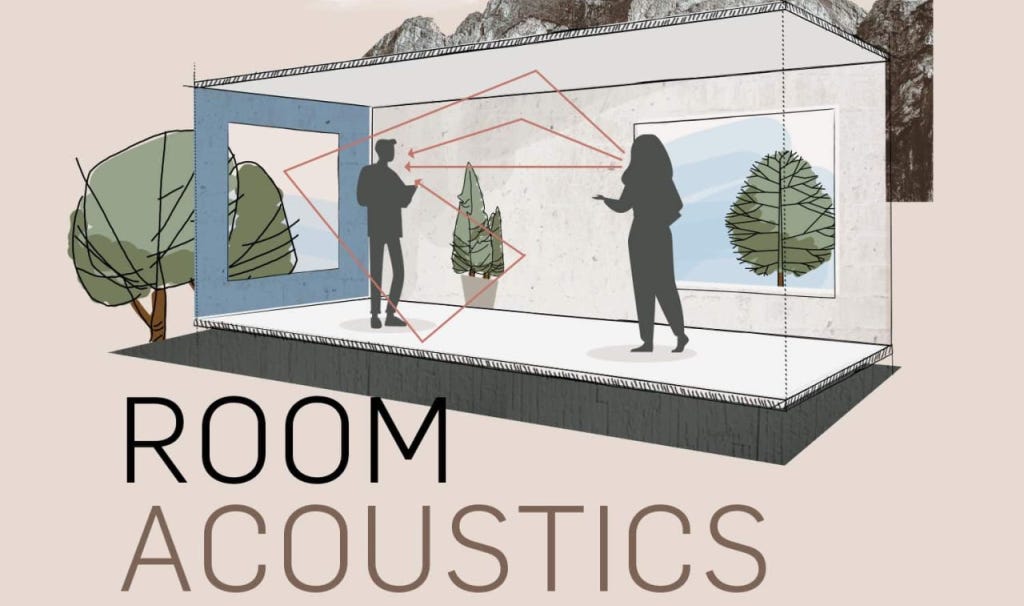
Glass surfaces and room acoustics
Glass is generally considered bad for room acoustics for several reasons, mainly due to its reflective and rigid nature.
Here are the key issues glass presents in room acoustics:
1. High Reflectivity
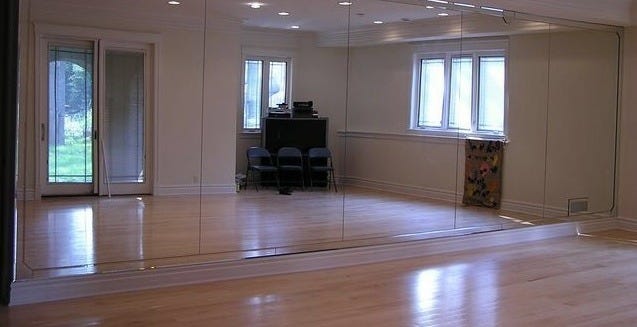
Glass Reflects Sound Waves
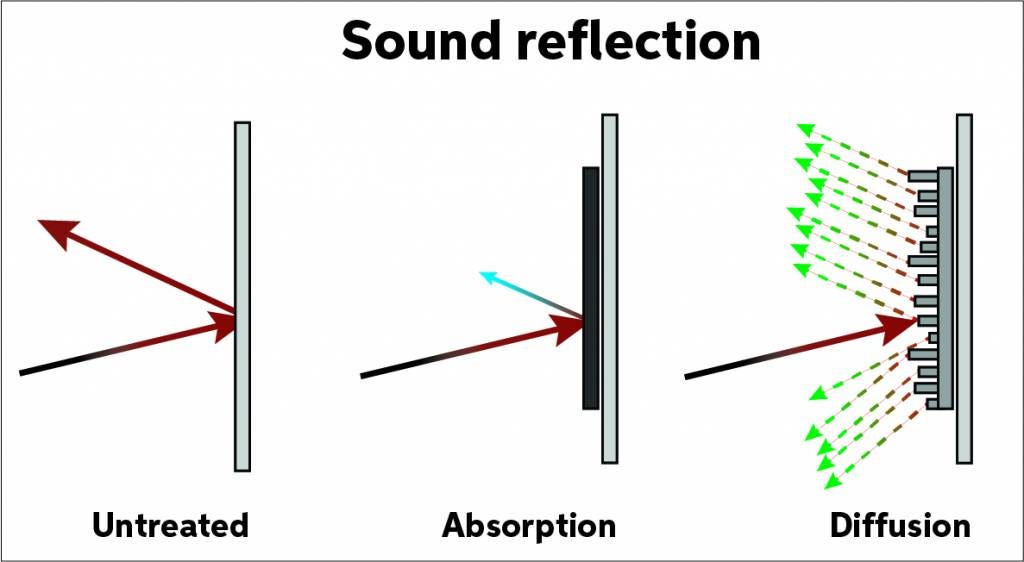
Glass surfaces reflect sound waves instead of absorbing them.
When sound hits a glass surface, most of it bounces back into the room, creating echoes and reverberation.
This can cause sounds to overlap, making speech and music sound muddy or unclear.
Flutter Echo
Parallel glass surfaces (like two opposite glass walls) can cause a phenomenon called “flutter echo,” where sound bounces rapidly back and forth between the two surfaces.
This creates a harsh, repeating sound that can be very distracting.
2. Lack of Absorption
Glass is not porous or soft, so it doesn’t absorb sound.
This leads to an imbalance, where high frequencies (treble) are reflected more, and low frequencies (bass) are either reflected or pass through.
The result is often a room that sounds overly bright, harsh, or tinny.
3. Vibrations and Resonance
Glass is a stiff material, but it can still vibrate at certain frequencies.
These vibrations can contribute to unwanted resonances, which distort the original sound.
If the glass panes are thin or large, they may “rattle” or resonate with specific low-frequency sounds, introducing additional noise into the environment.
4. Uneven Frequency Response
Different frequencies are affected differently by glass.
High frequencies are usually reflected, while lower frequencies may pass through or cause the glass to resonate.
This uneven treatment of frequencies results in an unbalanced sound, where certain parts of the audio spectrum are emphasised or diminished unnaturally.
Solutions
To mitigate the negative impact of glass on room acoustics, people often use acoustic treatments such as curtains, carpets, diffusers, or absorptive panels placed strategically to minimise reflections.

Modern architecture and room acoustics
Modern architecture is often characterised by large rooms and materials with smooth surfaces, such as plastic, glass or concrete.
As a result, room acoustics and speech intelligibility are severely compromised.
Rooms with low absorption sound “echoey” and are perceived acoustically as uncomfortable.
Good average reverberation times for speech are around 1 second, while for symphonic music they are about 2 seconds.
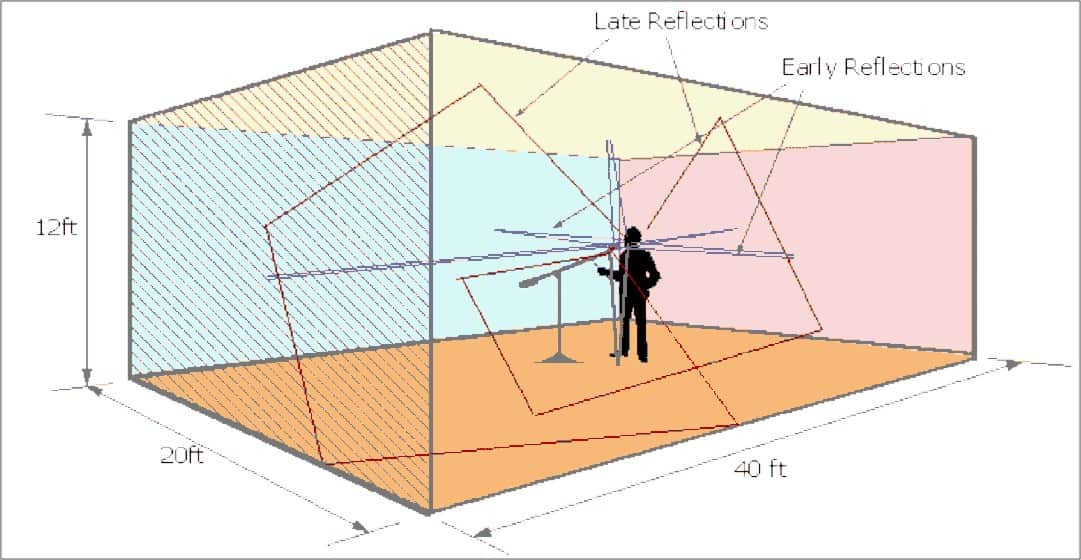
The reverberation time should be adjusted to the intended main use of the space.
Initial reflections are those sound vibrations that hit a wall first and are reflected back to the ear.
They can cause cancellation or overemphasis in a particular frequency range, i.e. interference.
Initial reflections occur on walls as well as on ceilings and floors.